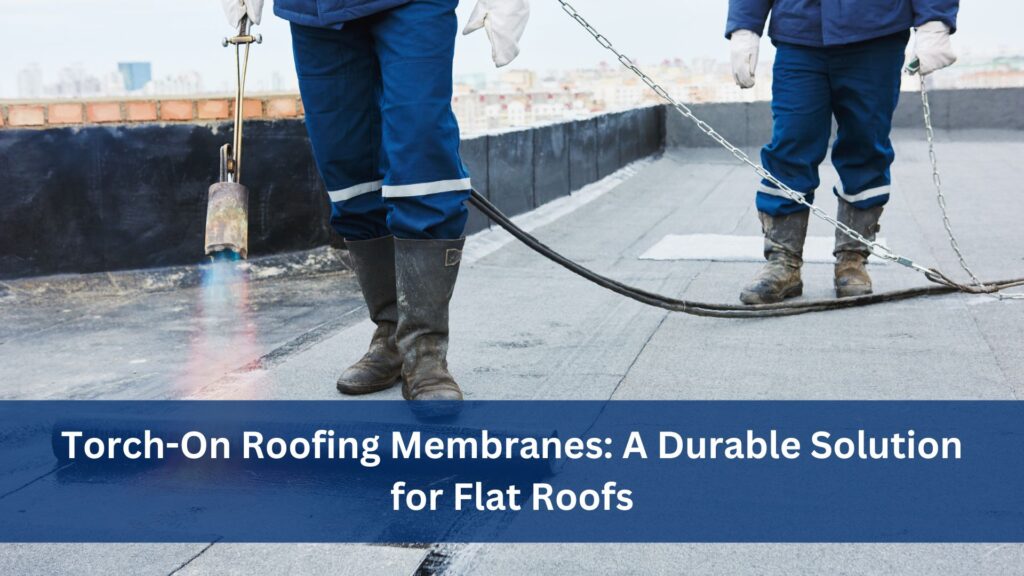
Flat roofs present unique challenges when it comes to protection from the elements. One of the most effective solutions for these challenges is torch-on roofing membranes. At South West Roof Solutions, we have extensive experience with torch-on roofing, providing durable and reliable protection for flat and low-slope roofs. In this blog, we’ll explore what torch-on roofing membranes are, their benefits, and why they are an excellent choice for flat roofs.
What are Torch-On Roofing Membranes?
Torch-on roofing, also known as modified bitumen roofing, involves the use of asphalt-based sheets modified with polymers to enhance flexibility and durability. These sheets are adhered to the roof using a torch to heat the material, creating a seamless and waterproof barrier. The process involves laying down multiple layers, typically including a base sheet and a cap sheet, to ensure maximum protection and longevity.
Benefits of Torch-On Roofing Membranes
- Durability:
- Torch-on membranes are incredibly durable and resistant to various weather conditions. They can withstand extreme temperatures, UV radiation, heavy rain, and snow, making them ideal for the diverse climate of the Lower Mainland.
- Waterproofing:
- One of the primary advantages of torch-on roofing is its superior waterproofing capabilities. The heat-sealed seams create a continuous, watertight membrane that effectively prevents leaks and water infiltration, which is crucial for flat roofs.
- Flexibility:
- The polymers added to the asphalt provide flexibility, allowing the membrane to expand and contract with temperature changes. This flexibility reduces the risk of cracks and other damage that can compromise the roof’s integrity.
- Low Maintenance:
- Torch-on roofs require minimal maintenance compared to other roofing systems. Their durability and resistance to wear and tear mean fewer repairs and less upkeep over the roof’s lifespan.
- Energy Efficiency:
- Torch-on membranes can be coated with reflective materials to enhance energy efficiency. Reflective coatings help reduce heat absorption, keeping your building cooler in the summer and reducing energy costs.
- Fire Resistance:
- Modified bitumen membranes are inherently fire-resistant, providing an added layer of safety for your property. This fire resistance can be particularly beneficial in areas prone to wildfires or for commercial buildings with strict fire safety regulations.
Ideal Applications for Torch-On Roofing
- Flat and Low-Slope Roofs:
- Torch-on roofing is specifically designed for flat or low-slope roofs, making it a perfect choice for commercial buildings, multi-family complexes, and some residential homes.
- Commercial Buildings:
- The durability and low maintenance of torch-on membranes make them an excellent option for commercial properties, where long-term performance and reliability are essential.
- Residential Applications:
- For residential buildings with flat or low-slope roofs, torch-on roofing provides a robust and lasting solution that protects against leaks and weather damage.
Installation Process
The installation of torch-on roofing membranes requires specialized skills and equipment. Here’s an overview of the process:
- Preparation:
- The existing roof surface is cleaned and prepared to ensure proper adhesion. Any necessary repairs to the roof deck are made at this stage.
- Base Sheet Application:
- A base sheet is installed first, either adhered to the roof deck or mechanically fastened. This sheet provides an initial layer of protection and stability.
- Torching the Cap Sheet:
- The cap sheet, which forms the top layer, is then applied. Using a propane torch, the installer heats the underside of the sheet, bonding it to the base sheet and creating a seamless, watertight seal.
- Finishing Touches:
- Flashing and edge details are completed to ensure the entire roof is protected and sealed. The final inspection ensures the roof is installed correctly and meets all quality standards.
Conclusion
Torch-on roofing membranes offer a durable, waterproof, and low-maintenance solution for flat and low-slope roofs. Their ability to withstand harsh weather conditions, provide excellent waterproofing, and require minimal upkeep makes them an ideal choice for both commercial and residential applications.