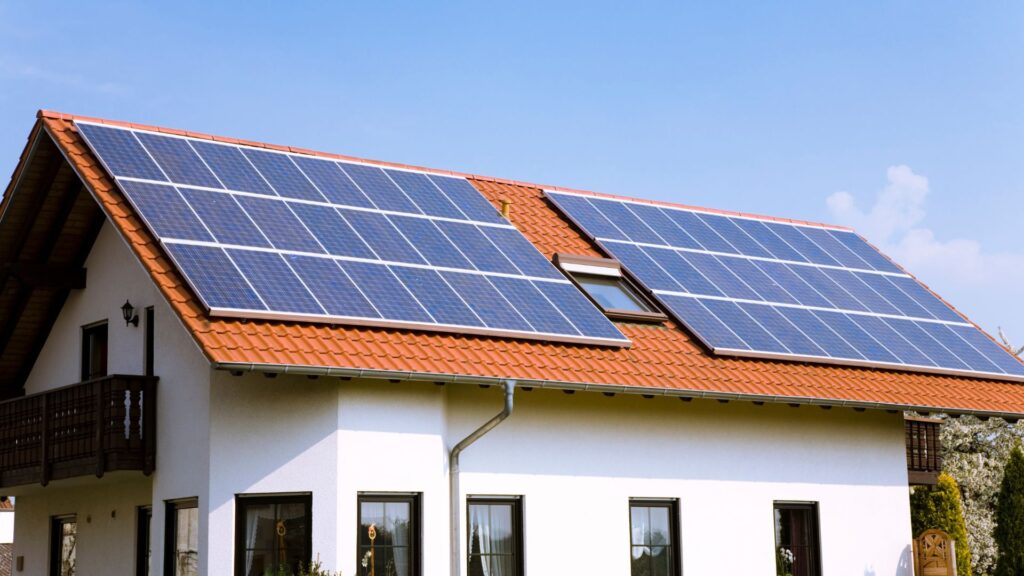
Energy efficiency is a key concern for homeowners and businesses alike, as it directly impacts energy bills and the overall environmental footprint of a building. At South West Roof Solutions, we understand that a well-designed and properly maintained roof plays a critical role in enhancing energy efficiency. In this blog, we explore how different roofing materials, techniques, and maintenance practices contribute to a more energy-efficient home or commercial building.
The Impact of Roof Color and Material
The color and material of your roof can significantly influence your home’s energy efficiency. Light-colored roofs, often referred to as cool roofs, reflect more sunlight and absorb less heat compared to darker roofs. This reflection reduces the heat entering your home, keeping indoor temperatures cooler and reducing the need for air conditioning.
Energy-Efficient Roofing Materials:
- Cool Roofs: Light-colored or reflective roofing materials that reduce heat absorption.
- Metal Roofs: Reflective and durable, metal roofs can be coated with reflective paint to enhance energy efficiency.
- Tile Roofs: Clay and concrete tiles offer natural insulation and can be coated with reflective materials.
- Green Roofs: Vegetated roofs that provide natural insulation and reduce the urban heat island effect.
Insulation and Ventilation
Proper insulation and ventilation are crucial components of an energy-efficient roof. Insulation helps to regulate indoor temperatures by preventing heat transfer between the roof and the interior of your home. This reduces the need for heating in the winter and cooling in the summer.
Benefits of Proper Insulation:
- Temperature Regulation: Keeps your home warm in winter and cool in summer.
- Energy Savings: Reduces the need for heating and cooling, lowering energy bills.
- Comfort: Maintains a consistent and comfortable indoor environment.
Ventilation is equally important, as it allows air to circulate and prevents moisture buildup, which can lead to mold and rot. A well-ventilated attic helps to dissipate heat in the summer and reduce condensation in the winter.
Ventilation Solutions:
- Ridge Vents: Installed along the roof’s ridge to allow hot air to escape.
- Soffit Vents: Located under the eaves to allow cool air to enter the attic.
- Gable Vents: Positioned in the gable ends of the attic to promote cross-ventilation.
Reflective Roofing Technologies
Advancements in roofing technology have led to the development of reflective roofing materials that significantly enhance energy efficiency. These materials are designed to reflect more sunlight and absorb less heat, thereby reducing the cooling load on your home.
Types of Reflective Roofing Technologies:
- Reflective Coatings: Applied to existing roofs to improve reflectivity and reduce heat absorption.
- Cool Roofing Shingles: Shingles with reflective granules that reflect more sunlight.
- Solar Reflective Tiles: Roofing tiles that are specifically designed to reflect solar radiation.
The Role of Roof Maintenance
Regular roof maintenance is essential for maintaining energy efficiency. Over time, roofs can become dirty or damaged, reducing their reflective properties and insulation effectiveness. Routine maintenance, such as cleaning, repairing damaged areas, and replacing worn-out materials, ensures your roof continues to perform optimally.
Maintenance Tips for Energy Efficiency:
- Clean Roof Surface: Remove debris, moss, and algae that can reduce reflectivity.
- Inspect for Damage: Regularly check for and repair any damage to shingles, flashing, and seals.
- Upgrade Insulation: Ensure attic insulation is adequate and in good condition.
- Check Ventilation: Verify that attic ventilation is functioning properly to prevent heat buildup.
The Future of Energy-Efficient Roofing
The roofing industry is continually evolving, with new materials and technologies being developed to enhance energy efficiency. Innovations such as solar shingles, which integrate solar panels into the roofing material, provide renewable energy while maintaining the aesthetic appeal of traditional roofs.
Emerging Trends:
- Solar Shingles: Generate electricity while providing a sleek, integrated look.
- Advanced Reflective Coatings: New formulations that offer greater durability and reflectivity.
- Smart Roofing Systems: Technologies that adjust insulation and ventilation based on weather conditions.
Conclusion
The role of roofing in energy efficiency cannot be overstated. From the choice of materials and colors to proper insulation and maintenance, every aspect of your roof contributes to the overall energy performance of your home or building. At South West Roof Solutions, we are committed to providing energy-efficient roofing solutions that help you save on energy costs and reduce your environmental impact. Contact us today to learn more about how we can enhance your roof’s energy efficiency and contribute to a more sustainable future.