Roofing has played a critical role in human habitation for thousands of years, evolving from simple structures to sophisticated systems that protect our homes and enhance their energy efficiency. At South West Roof Solutions, we appreciate the rich history of roofing and its progression to modern, eco-friendly solutions. In this blog, we take a journey through the history of roofing, exploring ancient techniques and the innovations that have shaped today’s roofing industry.
Ancient Roofing Techniques
Thatch Roofing
One of the earliest forms of roofing, thatch roofs were made from layers of dried vegetation such as straw, reeds, and grasses. Thatch was widely used in ancient cultures across Europe, Africa, and Asia due to its availability and insulating properties.
Advantages:
- Readily available materials
- Good insulation properties
- Aesthetic appeal in rural settings
Disadvantages:
- Highly flammable
- Requires regular maintenance
- Susceptible to pests
Clay Tiles
Clay roofing tiles date back to around 10,000 BCE, with some of the earliest examples found in China and the Middle East. These tiles were durable, fire-resistant, and offered good protection against the elements.
Advantages:
- Durable and long-lasting
- Fire-resistant
- Aesthetic appeal
Disadvantages:
- Heavy, requiring strong structural support
- Labor-intensive installation
- Fragile and can break under heavy impact
Wood Shingles and Shakes
Wood has been used as a roofing material for centuries, particularly in regions with abundant forests. Shingles are machine-cut for a uniform look, while shakes are hand-split for a more rustic appearance.
Advantages:
- Natural and attractive appearance
- Good insulation properties
- Renewable resource
Disadvantages:
- Flammable unless treated
- Requires regular maintenance
- Susceptible to rot and insect damage
Medieval and Renaissance Roofing
Slate Roofing
Slate became a popular roofing material in Europe during the medieval period, valued for its durability and fire resistance. Slate roofs could last for centuries, making them a long-term investment.
Advantages:
- Extremely durable and long-lasting
- Fire-resistant
- Low maintenance
Disadvantages:
- Expensive
- Heavy, requiring strong structural support
- Labor-intensive installation
Lead Roofing
Lead roofing was commonly used in medieval Europe for churches and significant buildings. It was durable and could be easily molded to fit complex roof shapes.
Advantages:
- Durable and long-lasting
- Malleable, suitable for complex designs
- Weather-resistant
Disadvantages:
- Toxicity concerns
- Heavy
- Expensive
Industrial Revolution and Modern Roofing
Asphalt Shingles
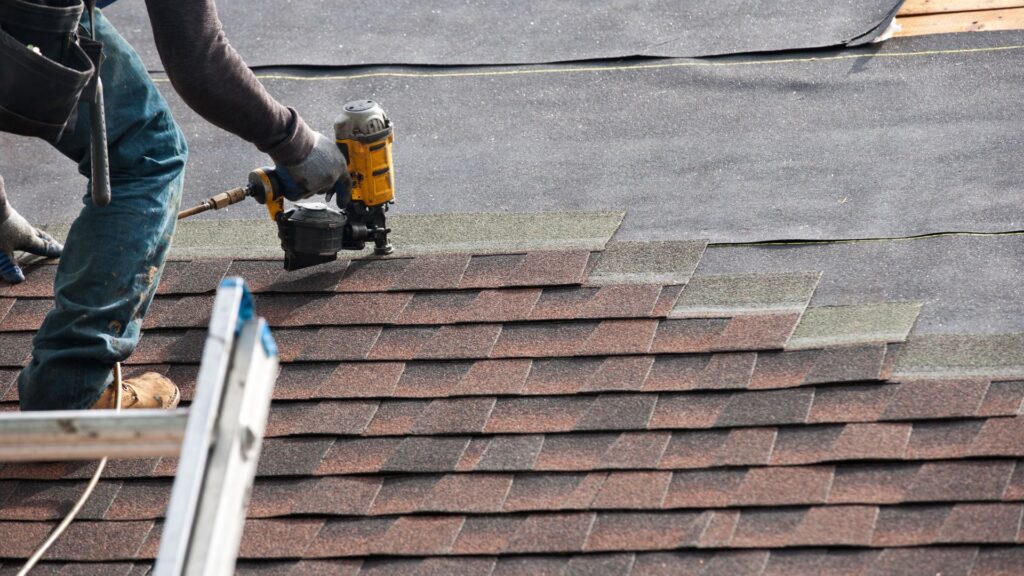
The invention of asphalt shingles in the late 19th century revolutionized the roofing industry. These shingles were affordable, easy to install, and provided reliable protection.
Advantages:
- Cost-effective
- Easy to install
- Variety of styles and colors
Disadvantages:
- Shorter lifespan compared to other materials
- Environmental concerns due to petroleum content
- Prone to algae and moss growth in damp climates
Metal Roofing
Metal roofing gained popularity in the 20th century, valued for its durability, energy efficiency, and recyclability. Materials like steel, aluminum, and copper are commonly used.
Advantages:
- Durable and long-lasting
- Reflective properties improve energy efficiency
- Recyclable
Disadvantages:
- Higher initial cost
- Can be noisy during rain or hail
- Requires proper installation to avoid expansion and contraction issues
Synthetic and Composite Materials
The late 20th and early 21st centuries saw the development of synthetic and composite roofing materials designed to mimic natural materials while offering enhanced durability and reduced environmental impact.
Advantages:
- Lightweight and easy to install
- Often made from recycled materials
- Durable and weather-resistant
Disadvantages:
- May not have the same aesthetic appeal as natural materials
- Variable lifespan depending on the quality of the material
- Environmental concerns depending on the manufacturing process
Innovations in Eco-Friendly Roofing
Cool Roofs
Cool roofs are designed with reflective materials that reduce heat absorption, improving energy efficiency. They help lower cooling costs and mitigate urban heat island effects.
Advantages:
- Energy-efficient
- Reduces cooling costs
- Environmentally friendly
Disadvantages:
- Higher initial cost
- Requires professional installation
- May not be suitable for all climates
Green Roofs
Green roofs, or living roofs, incorporate vegetation to provide natural insulation, reduce stormwater runoff, and improve air quality.
Advantages:
- Excellent insulation properties
- Reduces stormwater runoff
- Enhances urban biodiversity
Disadvantages:
- Higher initial cost and maintenance
- Requires strong structural support
- Limited to suitable climates
Solar Roofing
Solar roofing integrates photovoltaic panels into the roof structure, allowing homeowners to generate renewable energy and reduce reliance on traditional power sources.
Advantages:
- Generates renewable energy
- Reduces electricity bills
- Eco-friendly
Disadvantages:
- High initial cost
- Requires professional installation and maintenance
- Efficiency dependent on sunlight availability
Conclusion
The history of roofing is a testament to human ingenuity and our evolving relationship with the environment. From ancient thatch and clay tiles to modern eco-friendly solutions, roofing materials and techniques have continuously adapted to meet our needs for durability, efficiency, and sustainability. At South West Roof Solutions, we honor this rich history by offering innovative, high-quality roofing solutions that protect your home and contribute to a sustainable future. Contact us today to learn more about our services and how we can help you choose the best roofing solution for your needs.