Proper roof ventilation is a critical aspect of maintaining a healthy and efficient home. It helps regulate temperature, reduces energy costs, and extends the lifespan of your roof. At South West Roof Solutions, we emphasize the importance of adequate roof ventilation in all our projects. In this blog, we explore why roof ventilation matters and provide practical tips on how to improve it.
Why Roof Ventilation Matters
1. Temperature Regulation: Proper ventilation helps maintain a stable temperature in your attic, preventing heat buildup in the summer and reducing the risk of ice dams in the winter. This balance is crucial for the overall comfort of your home.
2. Moisture Control: Ventilation helps to control moisture levels in your attic. Excess moisture can lead to mold, mildew, and wood rot, compromising the structural integrity of your roof and the health of your home.
3. Energy Efficiency: A well-ventilated roof can reduce your energy bills. By preventing heat buildup, your air conditioning system doesn’t have to work as hard to cool your home in the summer. In the winter, proper ventilation helps to keep your attic cooler, reducing the risk of ice dams that can damage your roof.
4. Extends Roof Lifespan: Proper ventilation reduces the wear and tear on your roofing materials by preventing extreme temperature fluctuations and moisture buildup. This can extend the lifespan of your roof, saving you money on repairs and replacements.
Types of Roof Ventilation
1. Ridge Vents: Installed along the peak of the roof, ridge vents allow warm, humid air to escape from the attic. They provide continuous ventilation and are often combined with soffit vents for balanced airflow.
2. Soffit Vents: Located under the eaves, soffit vents allow cool air to enter the attic. When used in conjunction with ridge vents, they create a continuous flow of air, which helps regulate temperature and moisture levels.
3. Gable Vents: Installed on the gable ends of the attic, gable vents allow air to flow in and out. While effective, they are less efficient than ridge and soffit vents and are typically used as a supplementary ventilation method.
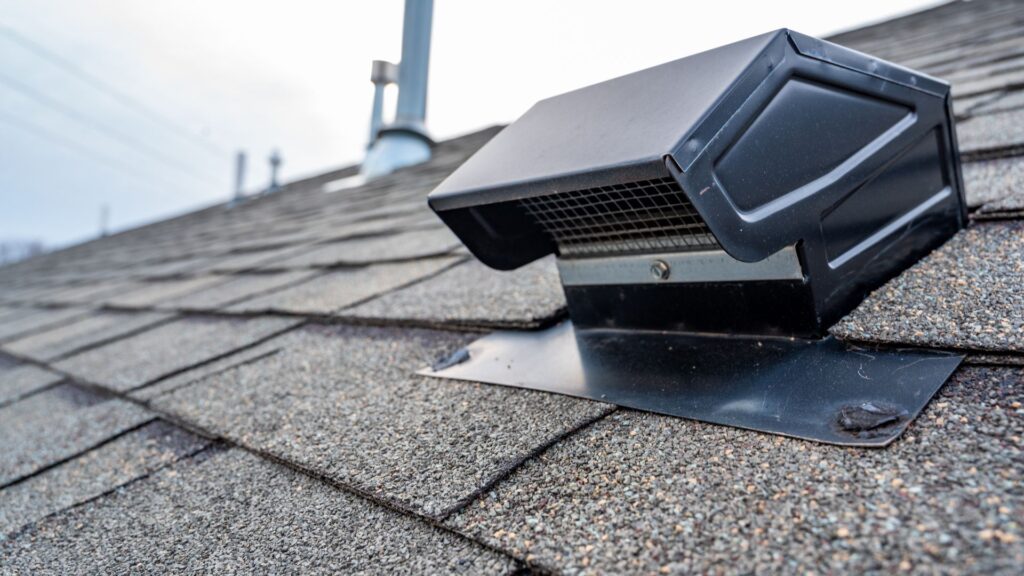
4. Roof Vents: Roof vents, or box vents, are installed near the roof ridge. They allow hot air to escape from the attic but require multiple units to provide adequate ventilation.
5. Turbine Vents: Turbine vents use wind to rotate and draw hot, humid air out of the attic. They are effective in windy areas but may not function as well in calm conditions.
6. Powered Attic Vents: These vents use electric or solar-powered fans to actively remove hot air from the attic. While effective, they consume energy and may require professional installation and maintenance.
How to Improve Roof Ventilation
1. Assess Current Ventilation: Start by assessing your current ventilation system. Look for signs of inadequate ventilation, such as excessive heat in the attic, moisture buildup, mold, and uneven roof temperatures.
2. Install Additional Vents: If your roof lacks proper ventilation, consider installing additional vents. Ridge vents combined with soffit vents provide the best airflow. Ensure there is a balance between intake (soffit) and exhaust (ridge) vents for optimal performance.
3. Maintain Existing Vents: Keep your existing vents clean and free of obstructions. Regularly inspect and clear debris from soffit and ridge vents to ensure they function effectively.
4. Ensure Proper Insulation: Proper insulation works hand-in-hand with ventilation to maintain attic temperature and prevent moisture buildup. Ensure your attic is adequately insulated without blocking the vents.
5. Seal Air Leaks: Seal any air leaks between your living space and the attic. Leaks can allow warm, moist air to enter the attic, increasing the risk of condensation and reducing the effectiveness of your ventilation system.
6. Professional Inspection: Consider hiring a professional roofing contractor to inspect your ventilation system. They can identify issues, recommend improvements, and ensure your roof is adequately ventilated.
Conclusion
Proper roof ventilation is essential for maintaining a healthy, energy-efficient, and long-lasting roof. By understanding the importance of ventilation and taking steps to improve it, you can protect your home from temperature extremes, moisture damage, and high energy costs. At South West Roof Solutions, we are dedicated to helping you achieve optimal roof performance. Contact us today to learn more about our ventilation solutions and how we can enhance the comfort and efficiency of your home.