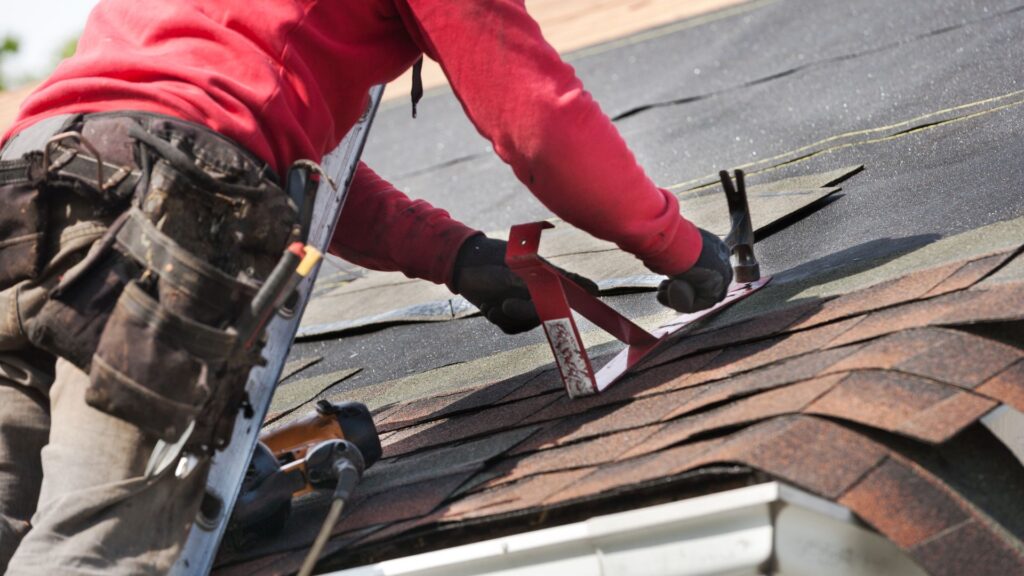
Taking on DIY projects around the home can be rewarding and cost-effective, but when it comes to roof repairs, it’s crucial to know your limits. While some minor repairs can be safely managed by homeowners, others should be left to professionals to ensure safety and quality. In this blog, South West Roof Solutions outlines what you can and can’t do when it comes to DIY roof repairs.
What You Can Do
1. Clean Gutters and Downspouts
Keeping your gutters and downspouts clean is essential for preventing water damage. Remove leaves, twigs, and other debris regularly to ensure proper water flow and reduce the risk of leaks.
Steps:
- Use a sturdy ladder to reach the gutters.
- Wear gloves to protect your hands.
- Scoop out debris with a gutter scoop or small trowel.
- Flush the gutters with a garden hose to clear any remaining dirt.
2. Remove Debris from the Roof
Debris such as leaves, branches, and moss can accumulate on your roof, potentially causing damage. Regularly removing this debris can help maintain the health of your roof.
Steps:
- Use a roof rake or soft broom to gently remove debris.
- Avoid using a pressure washer, as it can damage shingles.
3. Inspect for Visible Damage
Regularly inspecting your roof for visible damage can help catch problems early. Look for missing or damaged shingles, rusted flashing, and signs of wear and tear.
Steps:
- Use binoculars to inspect the roof from the ground.
- Look for cracked, curled, or missing shingles.
- Check for rust or damage around flashing and vents.
4. Seal Minor Leaks
If you notice a small leak, you can temporarily seal it to prevent further damage until a professional can make a permanent repair.
Steps:
- Locate the source of the leak from the attic.
- Apply roofing cement or a sealant to the affected area.
- Use a piece of roofing tape for added protection.
What You Can’t Do
1. Major Shingle Replacement
Replacing multiple shingles or large sections of your roof requires professional expertise. Incorrect installation can lead to leaks and further damage.
Risks:
- Improper alignment of shingles.
- Potential for missing underlying issues.
- Safety hazards associated with working on a roof.
2. Structural Repairs
If your roof has structural damage, such as sagging or rot, it’s crucial to contact a professional. Structural repairs require specialized knowledge and tools to ensure the integrity of your roof.
Risks:
- Compromising the structural integrity of your home.
- Potential for severe injury.
- Incorrect repairs can lead to more extensive damage.
3. Flashing Replacement
Flashing around chimneys, vents, and skylights is critical for preventing leaks. Replacing flashing is a complex task that should be handled by a professional to ensure a watertight seal.
Risks:
- Improper sealing can cause leaks.
- Incorrect installation can lead to water damage.
- Risk of falling while working on roof edges.
4. Roof Replacement
Full roof replacement is a significant project that involves removing old roofing materials, inspecting the roof deck, and installing new roofing materials. This task requires professional skills and equipment.
Risks:
- High risk of injury.
- Improper installation can void warranties.
- Potential for costly mistakes.
Safety Considerations
Regardless of the repair, safety should always be your top priority. Working on a roof can be dangerous, and it’s essential to take appropriate precautions.
Safety Tips:
- Always use a sturdy ladder and have someone hold it steady.
- Wear non-slip shoes and a safety harness.
- Avoid working on the roof in wet or windy conditions.
- Keep your workspace clear of tools and debris.
Conclusion
While some minor roof repairs can be safely managed by homeowners, others should be left to professionals to ensure safety and quality. At South West Roof Solutions, we are here to help with all your roofing needs, from minor repairs to full replacements. Contact us today for expert advice and professional service, ensuring your roof remains in top condition