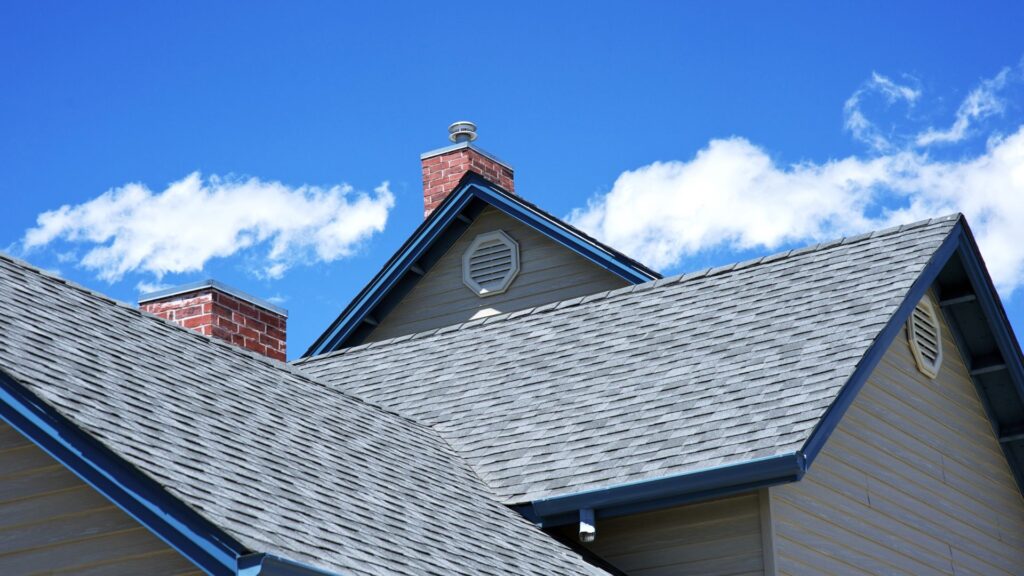
Roofing materials have come a long way from their humble beginnings. Today, the push for sustainability has revolutionized the industry, leading to the development of eco-friendly roofing options that benefit both homeowners and the environment. At South West Roof Solutions, we are proud to be at the forefront of this movement, offering innovative and sustainable roofing solutions. In this blog, we explore the evolution of roofing materials and the latest innovations in eco-friendly options.
The History of Roofing Materials
Roofing materials have evolved significantly over the centuries. Early roofs were constructed from natural materials readily available in the environment, such as thatch, clay, and wood. These materials were not only practical but also had a minimal environmental impact. However, as technology advanced and the demand for more durable and weather-resistant options grew, roofing materials became more diverse and complex.
Traditional Roofing Materials:
- Thatch: Made from dried vegetation such as straw or reeds.
- Clay Tiles: Durable and fire-resistant, used in many ancient civilizations.
- Wood Shingles: Popular for their aesthetic appeal and natural insulation properties.
The Shift Towards Sustainability
As awareness of environmental issues increased, the roofing industry began to shift towards more sustainable practices. This change was driven by a need to reduce the environmental impact of roofing materials and improve energy efficiency in homes and buildings. Today, eco-friendly roofing options are designed to minimize waste, reduce energy consumption, and utilize sustainable materials.
Innovations in Eco-Friendly Roofing Materials
Recycled Shingles
Recycled shingles are made from waste materials, such as plastic, rubber, and wood fiber. These shingles not only divert waste from landfills but also provide a durable and cost-effective roofing solution. They come in various styles and colors, making them a versatile choice for many homeowners.
Benefits:
- Diverts waste from landfills
- Durable and long-lasting
- Available in various styles and colors
Cool Roofs
Cool roofs are designed to reflect more sunlight and absorb less heat than standard roofs. They are typically made from reflective materials or coated with a special reflective paint. Cool roofs help reduce the heat island effect in urban areas and lower energy costs by keeping buildings cooler.
Benefits:
- Reduces energy costs
- Mitigates urban heat island effect
- Improves indoor comfort
Green Roofs
Green roofs, also known as living roofs, involve growing vegetation on the roof surface. They provide numerous environmental benefits, such as improving air quality, reducing stormwater runoff, and providing natural insulation. Green roofs can also create additional green spaces in urban areas, enhancing biodiversity.
Benefits:
- Improves air quality
- Reduces stormwater runoff
- Provides natural insulation
- Enhances urban biodiversity
Metal Roofing
Metal roofing is one of the most durable and sustainable roofing options available. Made from materials such as steel, aluminum, and copper, metal roofs are long-lasting and recyclable. They can also be coated with reflective finishes to improve energy efficiency.
Benefits:
- Extremely durable and long-lasting
- Recyclable at the end of its lifespan
- Reflective coatings improve energy efficiency
Solar Shingles
Solar shingles, also known as photovoltaic shingles, integrate solar panels directly into the roofing material. These shingles generate electricity from sunlight, providing a renewable energy source for the home. Solar shingles offer a seamless and aesthetically pleasing alternative to traditional solar panels.
Benefits:
- Generates renewable energy
- Reduces electricity bills
- Seamlessly integrates into the roof design
Synthetic Roofing Materials
Synthetic roofing materials, such as synthetic slate and synthetic wood shingles, are designed to mimic the appearance of natural materials while offering improved durability and sustainability. These materials are often made from recycled or sustainable resources and can be more resistant to weather and wear.
Benefits:
- Mimics natural materials
- Durable and weather-resistant
- Often made from recycled or sustainable resources
The Future of Eco-Friendly Roofing
The future of roofing lies in continued innovation and sustainability. As technology advances, we can expect to see even more efficient and eco-friendly roofing materials. At South West Roof Solutions, we are committed to staying at the cutting edge of these developments, ensuring that our clients have access to the best and most sustainable roofing options available.
Conclusion
The evolution of roofing materials towards eco-friendly options represents a significant step forward in the quest for sustainability. By choosing innovative and sustainable roofing solutions, homeowners can reduce their environmental impact, improve energy efficiency, and contribute to a healthier planet. At South West Roof Solutions, we are dedicated to providing top-quality, eco-friendly roofing options to meet the needs of our clients and the environment. Contact us today to learn more about our sustainable roofing solutions and how they can benefit your home or business.