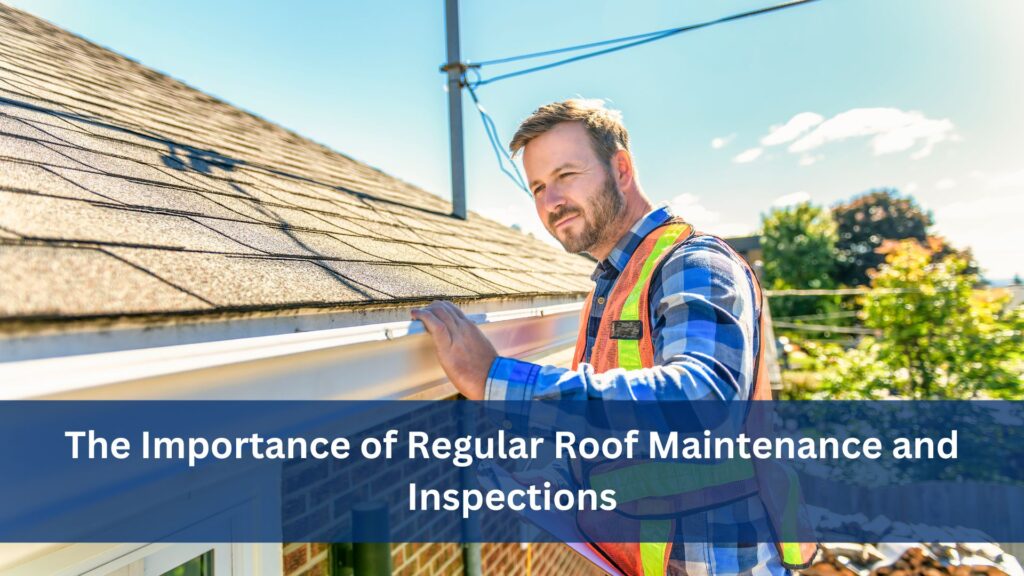
A well-maintained roof is crucial for protecting your home from the elements and ensuring its longevity. Regular roof maintenance and inspections can prevent minor issues from becoming major problems, saving you time and money in the long run. At South West Roof Solutions, we emphasize the importance of proactive roof care. In this blog, we’ll discuss why regular roof maintenance and inspections are essential and provide tips on how to keep your roof in top condition.
Why Regular Roof Maintenance and Inspections Matter
- Preventing Major Damage:
- Small issues, such as loose shingles or minor leaks, can quickly escalate into significant damage if left unaddressed. Regular maintenance helps identify and fix these problems early, preventing costly repairs and extensive damage to your home.
- Extending Roof Lifespan:
- Routine care can significantly extend the life of your roof. By addressing wear and tear promptly, you can ensure your roof remains in good condition for its full expected lifespan, whether it’s 20 years for asphalt shingles or 50 years for cedar.
- Improving Energy Efficiency:
- A well-maintained roof helps maintain proper insulation and ventilation, which can improve your home’s energy efficiency. This means lower heating and cooling costs and a more comfortable living environment.
- Enhancing Curb Appeal:
- A clean, well-maintained roof enhances the overall appearance of your home. This is particularly important if you’re planning to sell your property, as a well-kept roof can increase your home’s market value and attract potential buyers.
- Ensuring Safety:
- Regular inspections can identify structural issues that may pose safety risks, such as sagging or weakened areas. Addressing these problems promptly ensures the safety of your home and its occupants.
Key Components of Roof Maintenance
- Routine Inspections:
- Schedule professional roof inspections at least once a year, and after major weather events. A professional can spot issues that might be missed by an untrained eye, such as hidden leaks or structural damage.
- Cleaning Gutters and Downspouts:
- Keep your gutters and downspouts clear of debris to ensure proper drainage. Clogged gutters can lead to water buildup and damage to your roof and home’s foundation.
- Removing Debris:
- Regularly remove leaves, branches, and other debris from your roof’s surface. Accumulated debris can trap moisture, leading to mold, mildew, and rot.
- Addressing Moss and Algae:
- Moss and algae can damage roofing materials and compromise their integrity. Use appropriate cleaning solutions or hire a professional to safely remove these growths from your roof.
- Repairing Damage Promptly:
- Don’t delay repairs for damaged or missing shingles, flashing, or other roofing components. Timely repairs can prevent further damage and maintain your roof’s protective capabilities.
- Inspecting Roof Penetrations:
- Check around vents, chimneys, skylights, and other roof penetrations for signs of wear or leaks. These areas are particularly vulnerable and should be inspected regularly.
Professional Roof Inspections
While homeowners can handle basic maintenance tasks, professional roof inspections are essential for a thorough assessment. Here’s what a professional inspection typically includes:
- Exterior Inspection: Checking for visible damage, such as missing or damaged shingles, cracked flashing, and signs of wear and tear.
- Interior Inspection: Inspecting the attic and ceilings for signs of leaks, water damage, and proper insulation and ventilation.
- Structural Inspection: Evaluating the overall structure of the roof, including the condition of the decking, trusses, and rafters.
- Material Inspection: Assessing the condition of roofing materials, including shingles, underlayment, and other components.
Conclusion
Regular roof maintenance and inspections are vital for preserving the integrity and longevity of your roof. By addressing issues early and keeping your roof in good condition, you can prevent costly repairs, improve energy efficiency, and enhance the overall value and safety of your home.